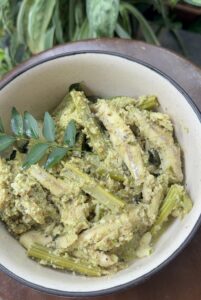
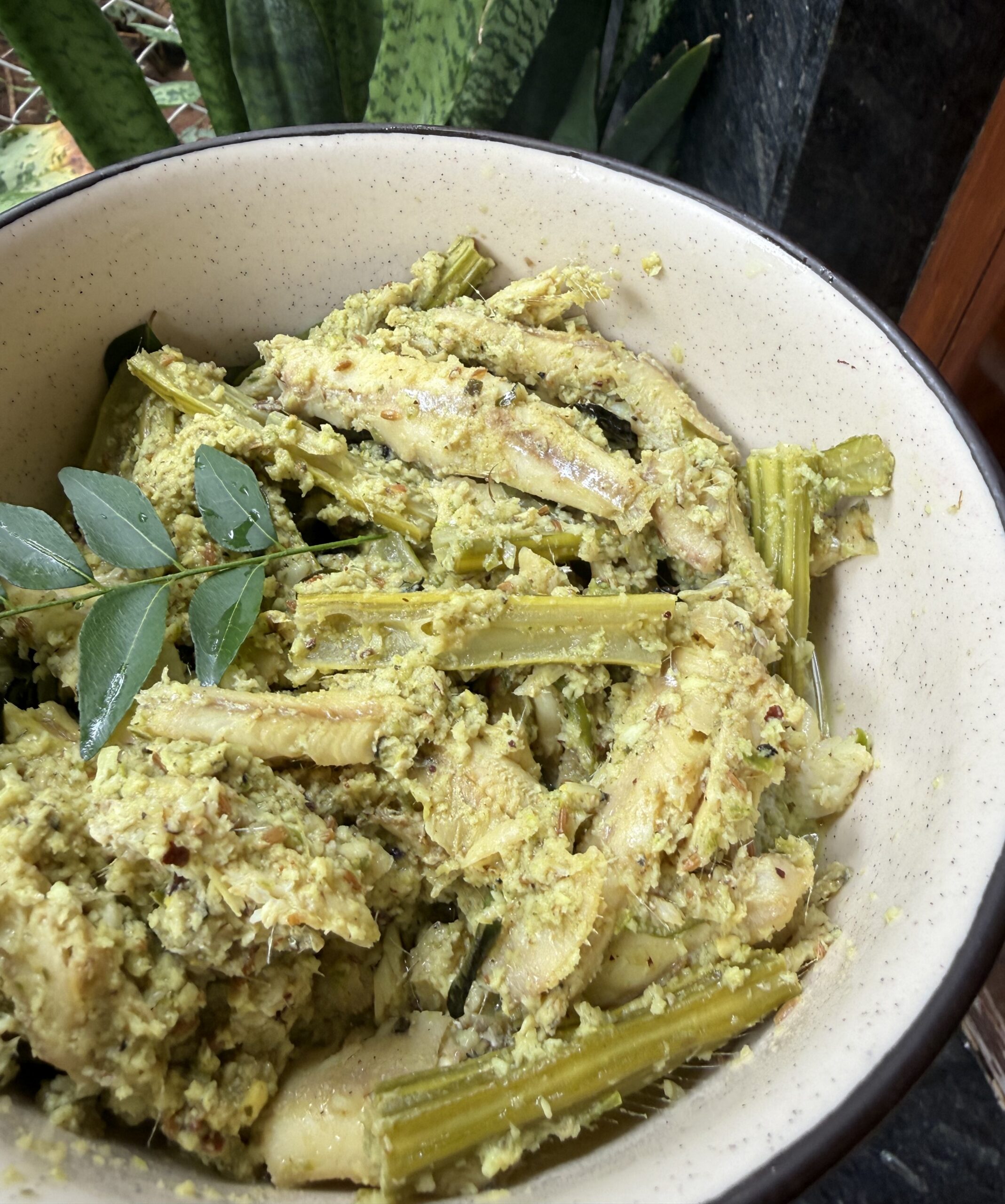




Netholi Meen Aviyal | Kerala Style Anchovy Aviyal

Netholi Meen, commonly known as anchovies, is a small, slender saltwater fish that is widely enjoyed along the coastal regions of South India, including Kerala and the southern parts of Tamil Nadu. It is especially popular in traditional home cooking because it cooks quickly and has a naturally rich, savoury flavour.

In Kerala cuisine, netholi is prepared in several ways, including Netholi Meen Aviyal, Netholi Meen Peera, Netholi Fry and fish curries. Because the fish is small and delicate, it absorbs the flavours of coconut, spices and curry leaves particularly well.

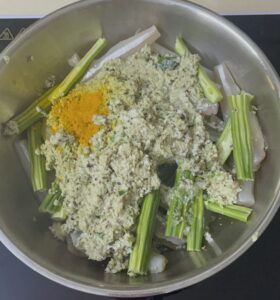
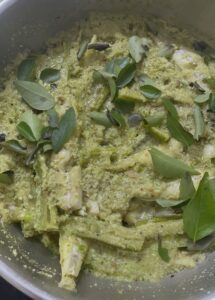
Netholi has a distinctive flavour that pairs beautifully with freshly grated coconut, green chillies, shallots and coconut oil. In this Netholi Meen Aviyal, the fish is gently cooked with a coarse coconut mixture and drumstick. A little tamarind adds the sourness needed to balance the richness of the coconut.

Why Netholi Is Popular

One of the reasons netholi is loved in traditional coastal cooking is its versatility. It can be cooked quickly without elaborate preparation, making it a practical choice for everyday meals. Its small size also means that it takes on the flavour of the ingredients used to cook it.

For many families in coastal South India, netholi is more than just an everyday fish—it is part of familiar, comforting home-style cooking.

Netholi in Nagercoil & Kerala-Style Cooking

Coming from Nagercoil, I have always enjoyed the close connection between the food traditions of southern Tamil Nadu and Kerala. Both cuisines make wonderful use of fresh fish, coconut, curry leaves and locally available vegetables.

This Netholi Meen Aviyal reflects that coastal style of cooking—simple ingredients, minimal preparation and plenty of natural flavour. Using drumstick in place of raw mango gives this version a slightly different character while keeping the traditional coconut-based preparation.

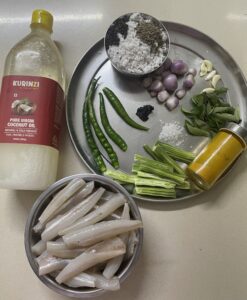
About the Ingredients for Netholi Meen Aviyal | Kerala Style Anchovy Aviyal
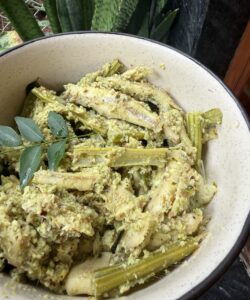
Netholi / Anchovies

Fresh netholi is the main ingredient of this dish. Small anchovies cook quickly and absorb the flavours of coconut, spices and curry leaves beautifully. Clean the fish thoroughly before using.

Fresh Grated Coconut

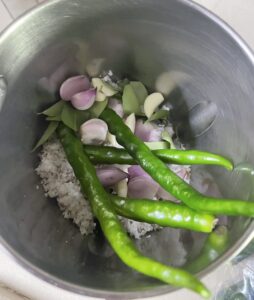
Fresh coconut forms the base of the aviyal and gives the dish its creamy texture and natural sweetness. Grind it coarsely rather than making a smooth paste.

Drumstick

Drumstick adds a lovely earthy flavour and texture to the aviyal. Cut it into 2-inch pieces so that it cooks evenly along with the fish.

Shallots

Shallots add mild sweetness and depth of flavour. They pair especially well with coconut and fish.

Garlic

Garlic adds a warm, savoury flavour and complements the netholi without overpowering it.

Green Chillies

Green chillies provide fresh heat and flavour. Adjust the quantity according to your preferred spice level.

 Curry Leaves

Curry leaves are essential for the traditional Kerala flavour. Add them while cooking and finish with a few fresh leaves for extra aroma.

 Cumin Seeds

A small amount of cumin adds a subtle earthy and aromatic flavour to the coconut mixture.

 Black Pepper

Black pepper gives the dish gentle warmth and a slightly spicy flavour that works beautifully with anchovies.

 Turmeric Powder

Turmeric gives the dish its beautiful golden colour and adds a mild earthy flavour.

 Tamarind

Since we are using drumstick instead of raw mango, tamarind provides the sourness needed to balance the coconut and fish. Use only a small amount so that it doesn’t overpower the delicate flavour of netholi.

 Salt

Salt enhances all the flavours. Add it carefully, especially if the fish has already been cleaned and salted.

Coconut Oil

Coconut oil is the finishing touch that gives this dish its authentic Kerala aroma and flavour. Drizzle a little over the cooked aviyal just before serving.

Tips for Making Perfect Netholi Meen Aviyal

  • Use fresh netholi for the best flavour.
  • Clean the fish well before cooking.
  • Keep the coconut mixture coarse, rather than making a smooth paste.
  • Raw mango gives the dish a lovely natural sourness.
  • Don’t add too much water—the finished dish should be thick and almost dry.
  • Avoid stirring the fish repeatedly as netholi can break easily.
  • Finish with good-quality coconut oil for an authentic Kerala flavour.
  • A clay pot can be used for an even more traditional taste.

Storage

Netholi Meen Aviyal tastes best when freshly prepared, but leftovers can be stored safely for later.

  • Refrigeration: Allow the aviyal to cool before transferring it to a clean, airtight container. Refrigerate promptly and consume within 1–2 days.
  • Do not leave it at room temperature: Since this is a fish-based dish, avoid keeping it out for extended periods.
  • Reheating: Reheat only the portion you plan to eat. Warm it gently over low heat until heated through. Add a splash of water if the coconut mixture has become too dry.
  • Avoid repeated reheating: Repeated heating can affect the texture and flavour of the fish.
  • Freezing: Freezing is not recommended for this aviyal because the coconut mixture and delicate netholi can lose their texture after thawing.
  • Check before eating: If the dish develops an unusual smell, colour or texture, discard it rather than tasting it to check.

Frequently Asked Questions

Can I make Netholi Meen Aviyal without raw mango?

Yes. Raw mango adds sourness, but you can use a small amount of tamarind instead.

Can I use frozen anchovies?

Yes. Thaw the anchovies completely and drain them well before cooking.

Should I fry the fish first?

No. Traditional aviyal-style netholi is cooked directly with the coconut mixture.

Can I use coconut oil?

Yes! Coconut oil is highly recommended because it gives the dish its characteristic Kerala flavour.

Why is my fish breaking?

Netholi is a delicate fish. Avoid frequent stirring. Gently shake the pan while cooking instead.

What to Serve with Netholi Meen Aviyal?

Netholi Meen Aviyal tastes best with:

  • Hot matta rice
  • Steamed white rice
  • Kanji
  • Kerala-style rice meals
  • Curd and rice